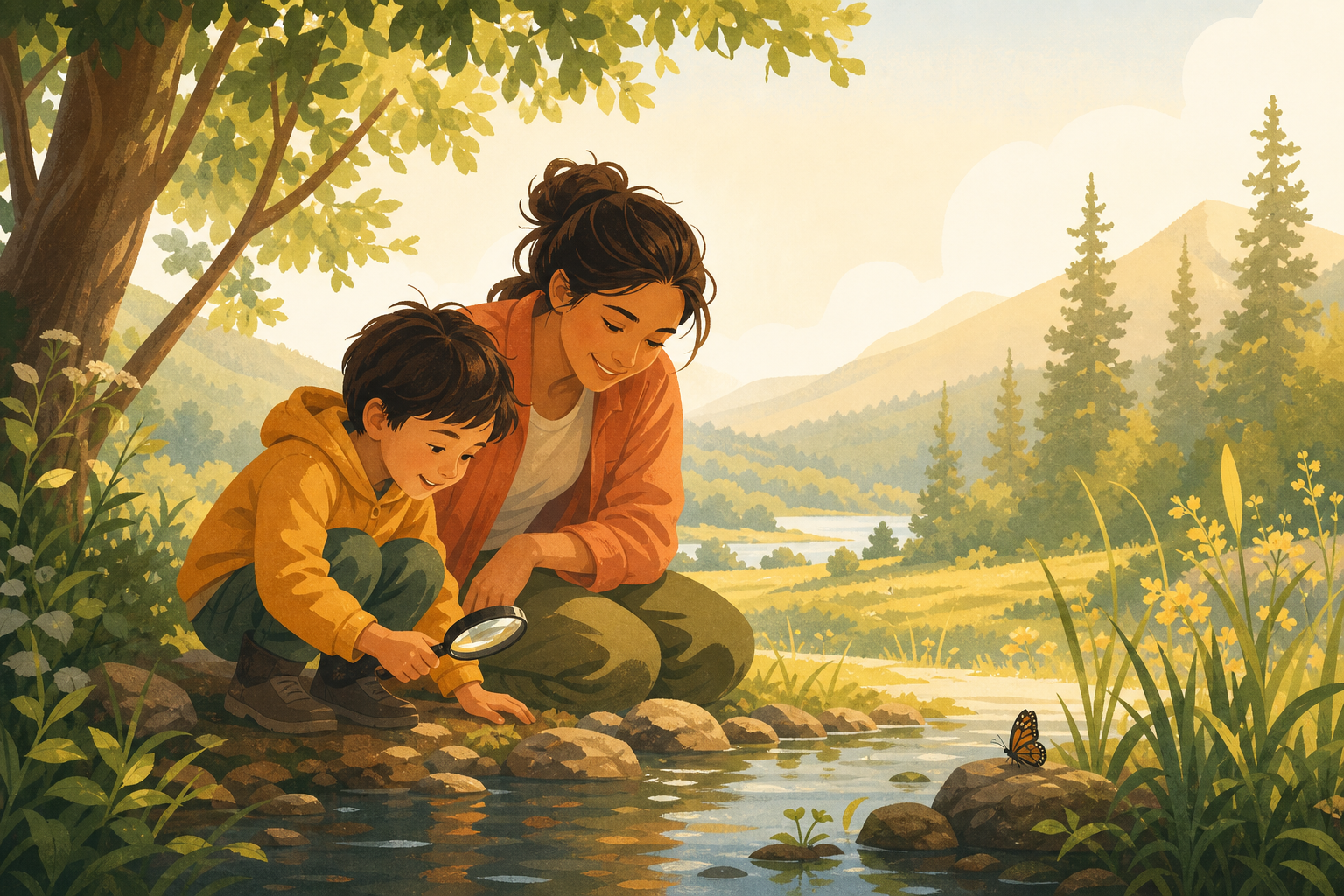
As parents, we all want our children to thrive in their learning environments. Yet, in an age of digital distractions and structured schedules, the simple act of playing outside has seen a significant decline. Research shows that outdoor and nature-based learning can offer numerous benefits for children, from enhancing creativity to improving attention spans, particularly in children with ADHD. In this post, we will explore the science behind outdoor learning, explore Attention Restoration Theory (ART), and provide actionable tips for incorporating nature into your child's education.
Understanding Attention Restoration Theory
Attention Restoration Theory, developed by researchers Stephen Kaplan and Rachel Kaplan in the 1980s, posits that natural environments have restorative qualities that can help individuals recover from mental fatigue and improve focus. According to this theory, environments that are rich in nature allow us to engage in effortless attention, which can rejuvenate our cognitive resources.
A study by Berman et al. (2012) found that participants who took a walk in nature performed better on attention tests compared to those who walked in urban settings. This suggests that spending time outdoors can help restore our cognitive abilities, making it easier for children to concentrate on their studies after a nature break.
The Impact of Nature on ADHD Symptoms
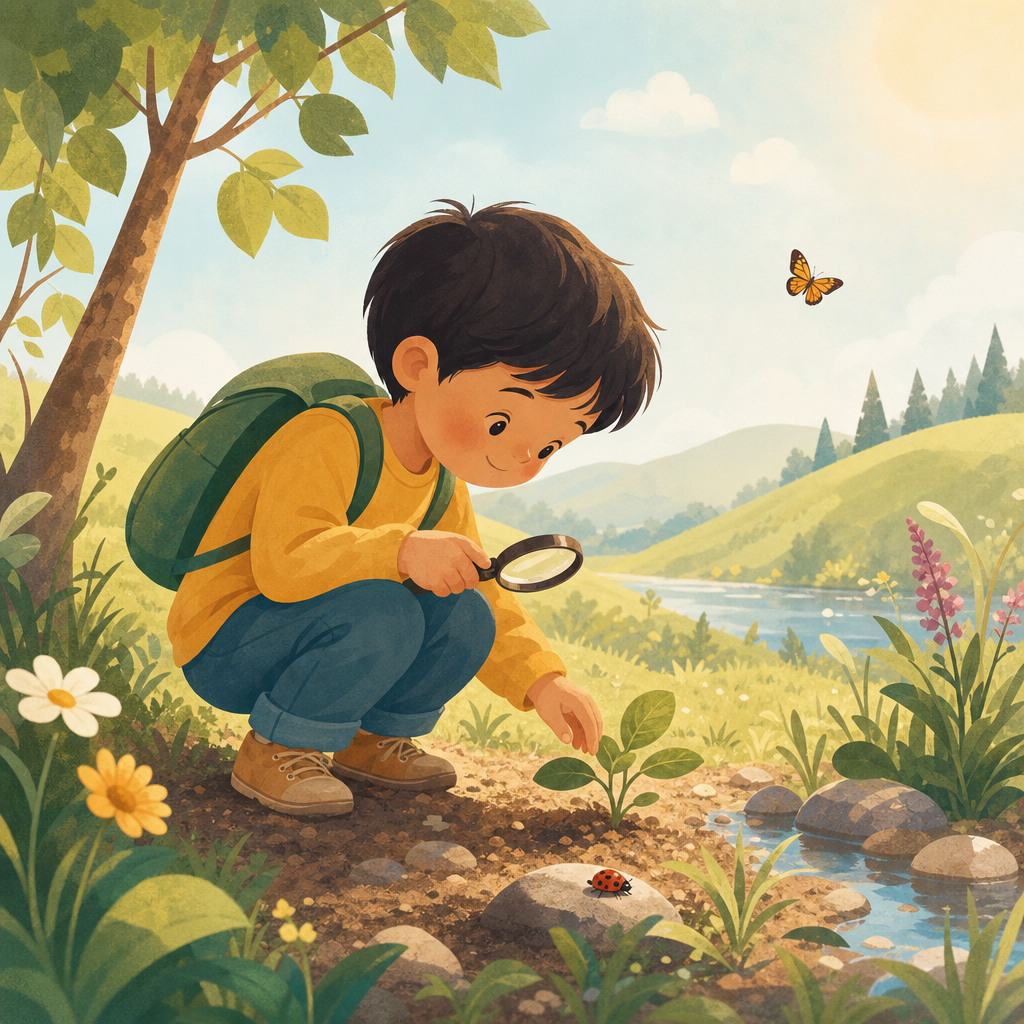
Attention Deficit Hyperactivity Disorder (ADHD) affects millions of children worldwide. Research indicates that exposure to nature can significantly alleviate symptoms associated with ADHD. A landmark study by Kuo and Faber Taylor (2004) found that children with ADHD showed improved concentration and reduced impulsivity after spending time in green spaces.
Parents can harness this potential by integrating outdoor activities into their children's routines. For instance, a simple walk in the park or playing in a green backyard can provide a natural remedy for children struggling with focus and attention issues.
Executive Function and Outdoor Learning
Executive function refers to the mental processes that help us plan, focus attention, remember instructions, and juggle multiple tasks. Research shows that outdoor learning can enhance these skills. A study by Ernst and Choi (2014) found that children who participated in outdoor learning activities exhibited improved executive function and self-regulation.
Incorporating outdoor learning into your child's education can take many forms, from structured lessons conducted outside to unstructured playtime in nature. Encourage your child to engage in problem-solving tasks while exploring the outdoors, such as building a fort or identifying different plant species.
Fostering Creativity Through Nature
Outdoor environments stimulate creativity in children, allowing for open-ended play and exploration. Research by Atchley et al. (2012) found that individuals who spent time in nature performed better on creative problem-solving tasks than those who did not.
Parents can encourage creativity through outdoor learning by providing materials for art projects inspired by nature, such as leaf rubbings or rock painting. Allow your child to express themselves freely in a natural setting, fostering their imagination and creativity.
The Decline of Outdoor Play and Its Consequences
Despite the numerous benefits of outdoor play, studies show that children today spend less time outside than previous generations. A report by the National Trust in 2019 indicated that children in the UK spend half as much time outdoors as their parents did. This decline in outdoor play can lead to negative educational consequences, including decreased focus, lower academic performance, and diminished mental health.
As parents, it is essential to recognize the importance of outdoor play and make intentional efforts to incorporate it into your child's daily routine. This can include scheduling regular outdoor time, encouraging free play, and prioritizing nature-based activities.
Actionable Ways to Incorporate Nature into Learning
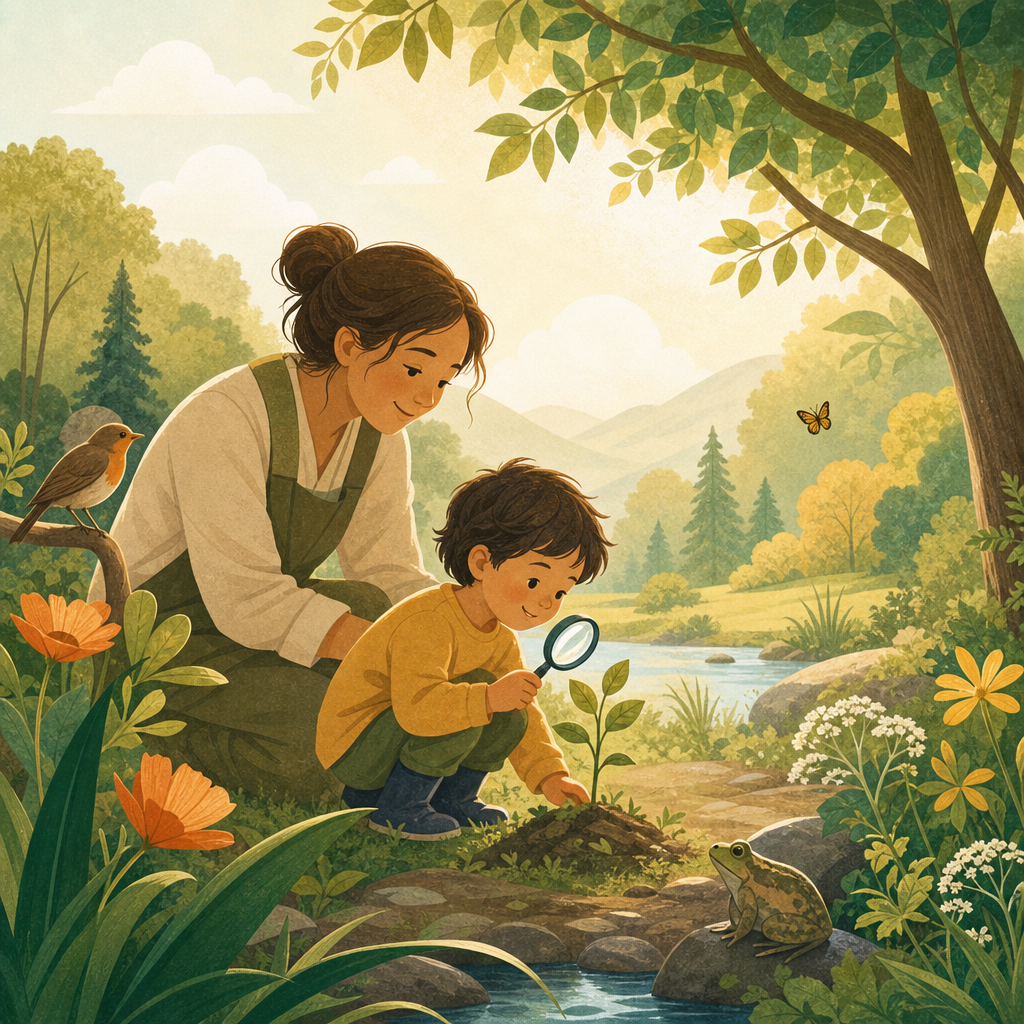
Here are some practical strategies for integrating nature into your child's education:
- Nature Walks: Take regular walks in local parks or nature reserves. Encourage your child to observe their surroundings, collect leaves, or identify birds.
- Outdoor Learning Spaces: Create a designated outdoor learning area at home or in the backyard where your child can engage in reading, art, or science experiments.
- Gardening: Involve your child in gardening activities to teach them about plant biology, responsibility, and the environment.
- Nature Journals: Provide your child with a journal to document their observations, sketches, and thoughts while exploring nature.
- Outdoor Science Experiments: Conduct simple science experiments outdoors, such as observing insects or measuring the growth of plants.
In conclusion, outdoor and nature-based learning offer invaluable benefits for children, from improving focus and creativity to reducing stress and enhancing executive function. As parents, we can combat the decline in outdoor play by intentionally incorporating nature into our children's daily lives. Embracing the outdoors not only enriches their education but also fosters a deeper connection with the natural world.
For more insights into evidence-based education practices, feel free to explore our resources on Koydo. Let's work together to create a brighter learning future for our children!